Two drawing apps have been running a similar content play for years.
They each found one format that worked, kept repeating it, and pushed it much longer than most teams would.
Their execution looked a bit different, but the outcome was surprisingly similar: around $20K in MRR and tens of millions of views.
On one side is Sketchar, an AR drawing app that built its growth around creators. Its videos often feature real people, recognizable drawing subjects, and the product clearly shown during the process.
On the other side is Drawly, a multiplayer drawing app that went fully faceless and let the product do all the work.
Sketchar → built around artists
Sketchar’s content system is easy to recognize.
A phone stays visible while someone draws, the video moves quickly, and the final reveal gives people a reason to stay until the end.
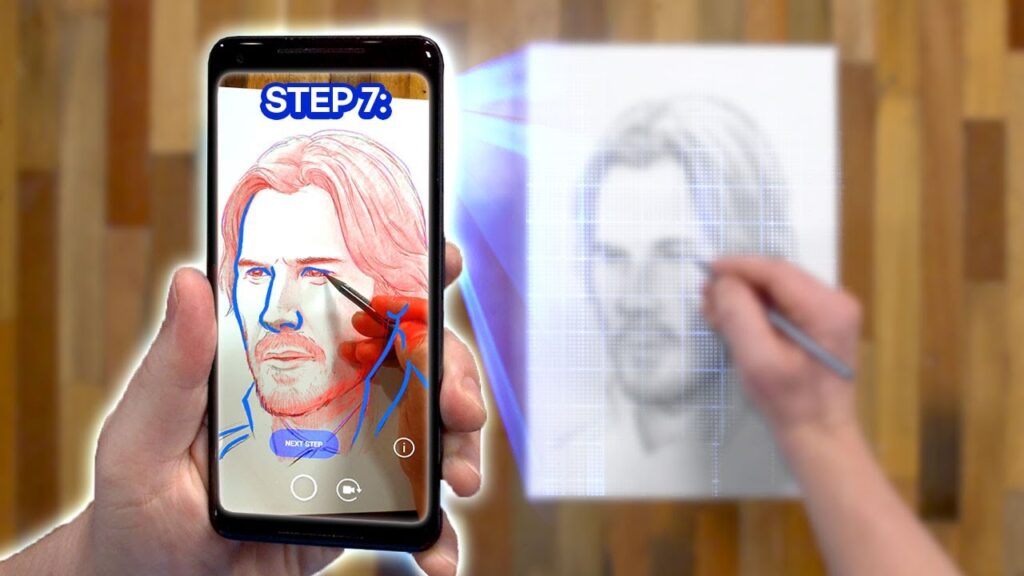
That format worked at scale. One example reached 7M views, 85k saves and over 4.3k comments.
They scaled it through ambassador artists, international creators, and steady repetition.
Drawly → built around the game
Drawly made the same strategic choice, but executed it in the opposite way.
Its content is stripped down to the essentials: a tablet screen, a stylus, and the drawing unfolding in real time.
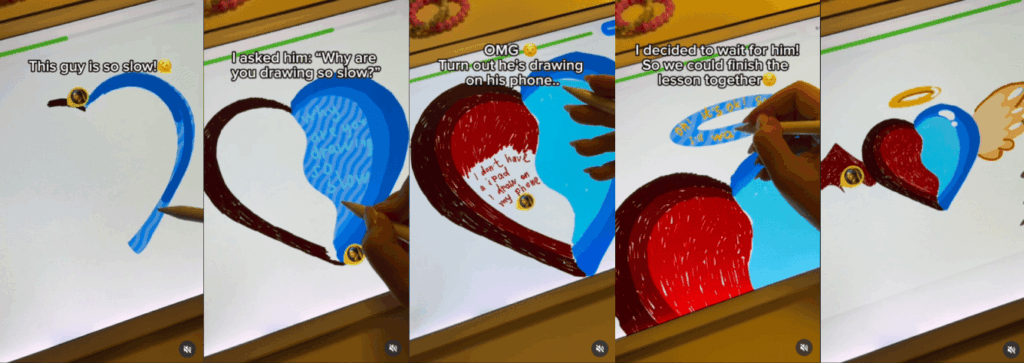
Sketchar helps users draw. Drawly turns the act of drawing inside the product into the entertainment itself.
One video reached 20M views.
Instead of relying on creators, Drawly distributed through 55 faceless accounts across TikTok, Reels, and Shorts, often reposting the same videos across platforms. That system still produced serious scale: 141M+ views, 80K downloads in 30 days, and around $20K MRR.
Both teams hit the same wall, then made the same move
Both apps ran their one-format strategy for years. Then each team hit the same problem: the format needed a refresh.
Neither team changed the system. They kept the core format and refreshed the hook.
Sketchar made its shift in November 2025 by adding VR. That made the content more visually striking and more futuristic.
Drawly made its shift in February 2026 by adding more drama. The content moved beyond just watching a drawing happen. It became about watching the interaction around it.
The real insight
Both teams made the same core decision:
→ Find one format that works
→ Repeat it longer than anyone else
→ Refresh it only when it really starts to lose energy
Everything else is optional.
Both formats work for the same reason: they show the product in action and give people a reason to stay until the end.
The winning move was committing to a format that clearly showed how the app works, delivered a satisfying visual result, and gave people a reason to keep watching. From there, both teams kept refining that same core loop over the years, updating it with new hooks, themes, and trend-aware variations as the feed evolved.
Leave a Reply