
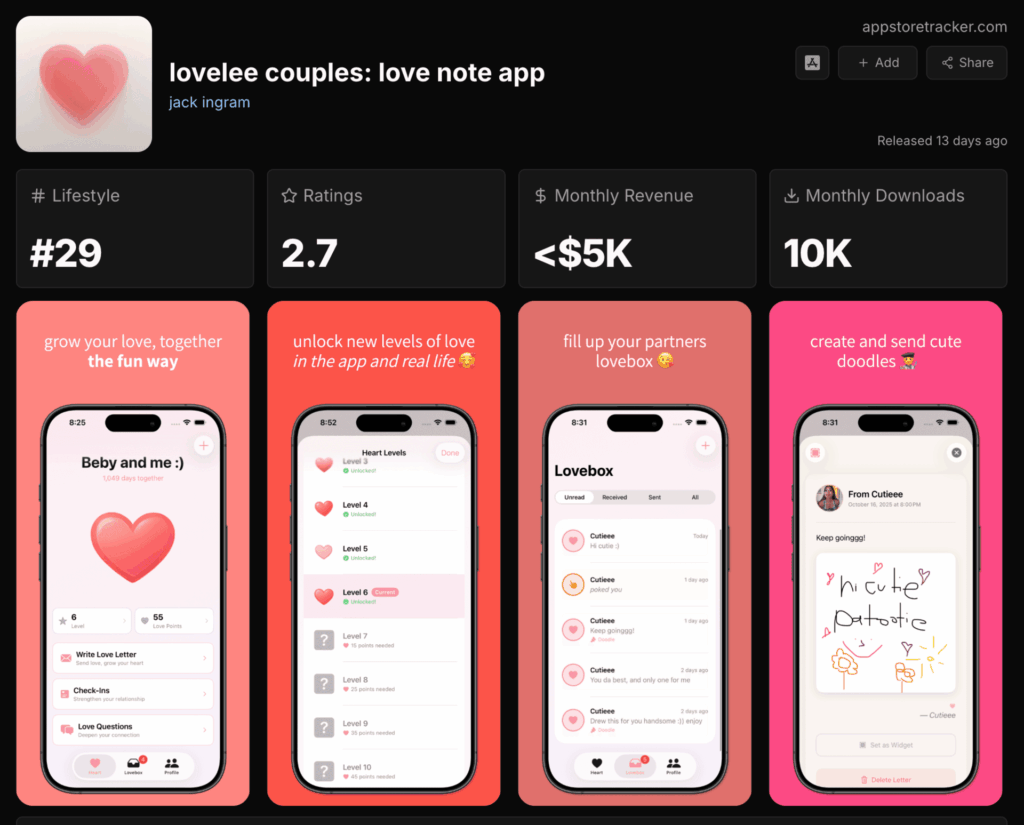
A week ago, indie hacker Jack Friks launched a doodle-based couple app called Lovelee.
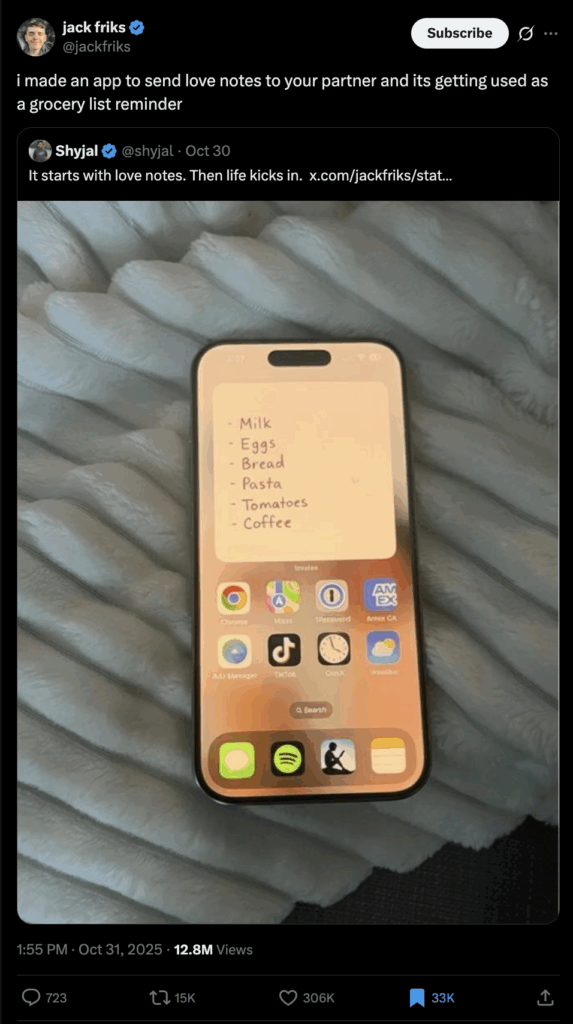
A few days ago, he went viral on X, after someone used the app to send a grocery list to their partner (instead of love drawings). That post and its quote tweet blew up, pulling in over 12 million impressions.
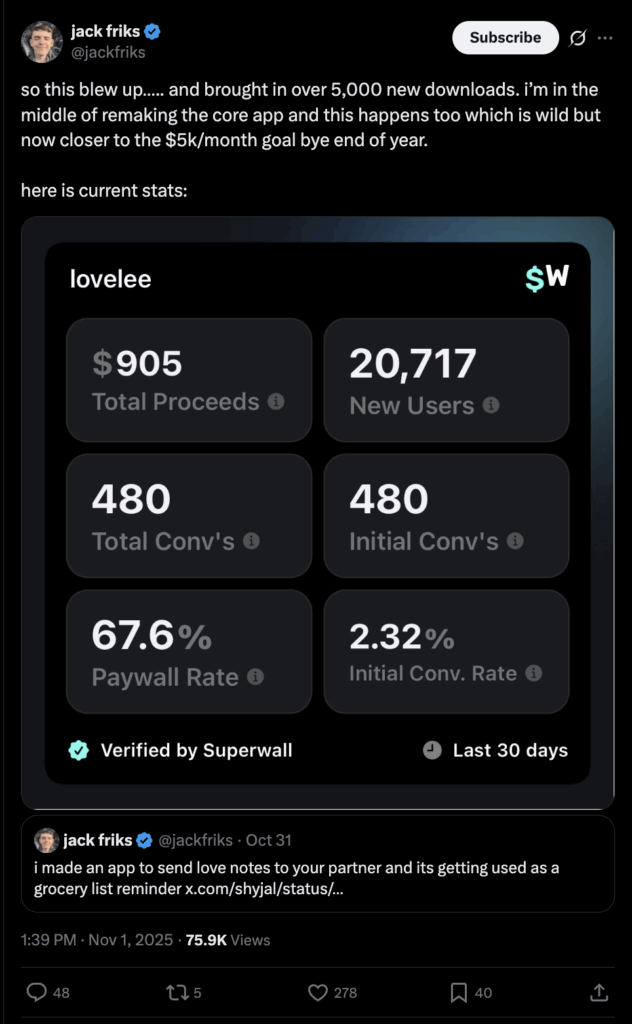
The follow-up tweet with the download link reached over 250,000 impressions, but despite all the attention, the app only made about $900 in profit.
Of course, it’s still brand new, not fully optimized, and early retention is uncertain.
Still, it shows how meme-style content on X often generates huge reach, but converts at a much lower marginal rate.
Even so, going from zero to #29 on the charts through mostly X-driven marketing is impressive. His good-sized follower base definitely helped.
Another good example is David Park, who got featured in one of the most viral threads ever and made an additional $20K in monthly recurring revenue from it.
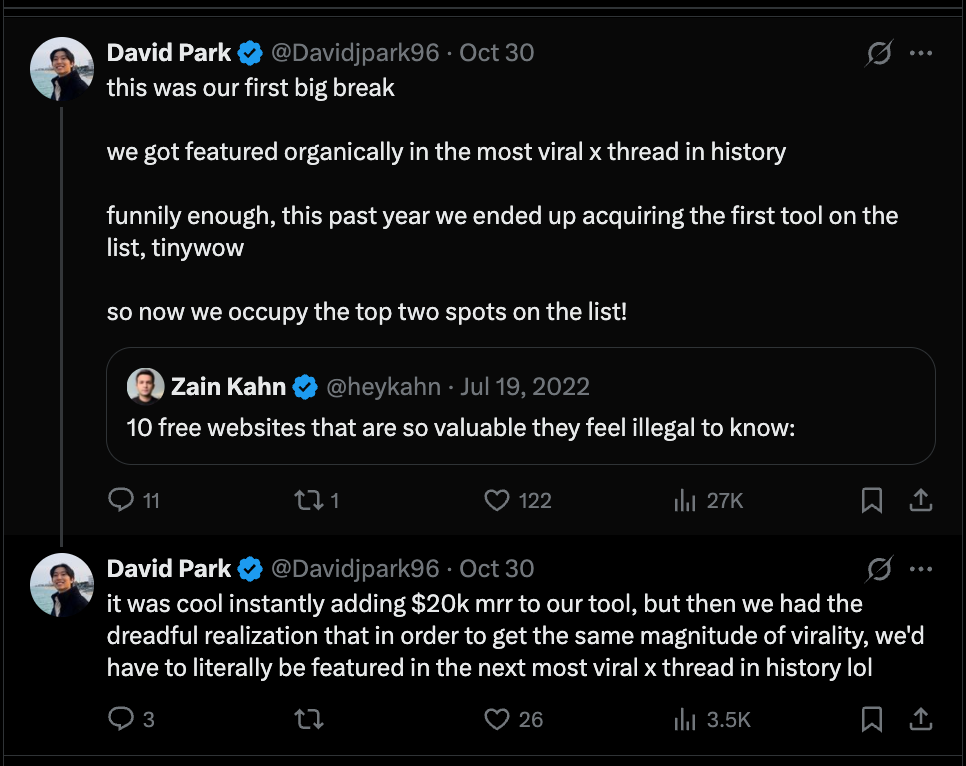
Eventually, David realized the channel wasn’t sustainable — unless you’re featured in top threads again and again, growth doesn’t hold. Still, for Jenni in 2022, that was solid revenue.
We also covered Pagent a few months ago — they hit 14M views in under 25 days thanks to sharp engineered meme marketing. Yet, when we later spoke to the founder, he said those views translated into very few actual downloads.
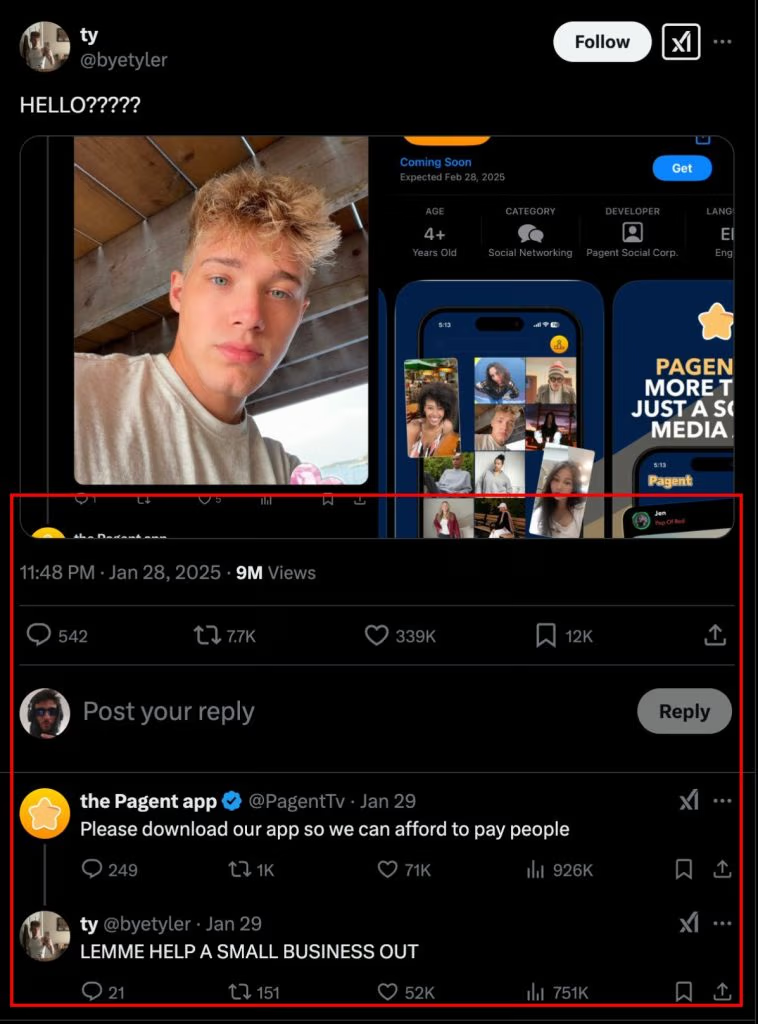
Meme marketing needs such massive reach to convert for the numbers start to make sense. You just have to keep repeating it to stay visible, a strategy we’ve seen work well on Instagram, and sometimes on TikTok.
The challenge with X is that it ends up targeting too wide out of the initial core niche in B2C. There, meme-based strategies tend to perform better in tech or finance B2C niches or in B2B, where impressions are more about consistent brand recall than instant/direct sales.
So, outside of a few niche B2C markets targeting heavy X users, the platform hasn’t seen to be that effective (relatively to other algorithmic social apps).
Even Nikita Bier’s latest consumer app launched on X couldn’t take off.
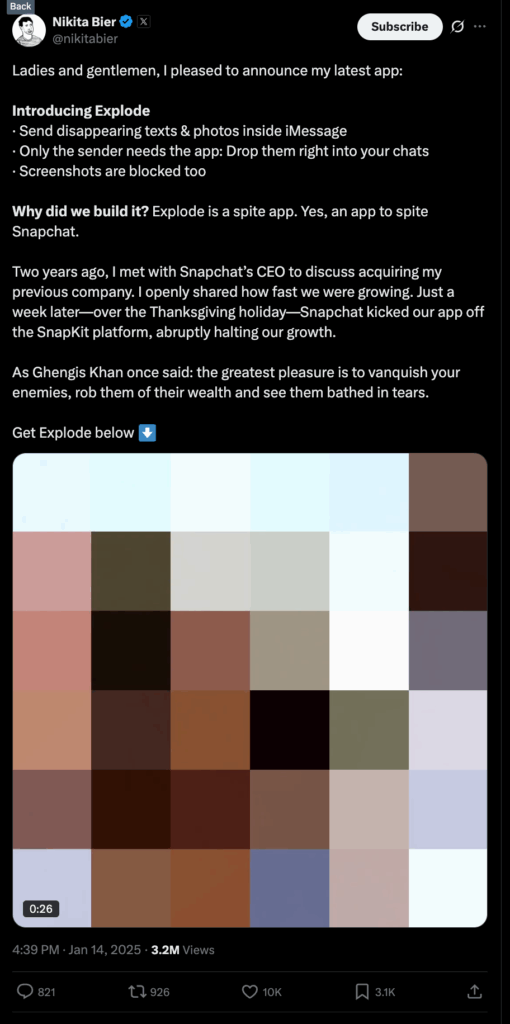
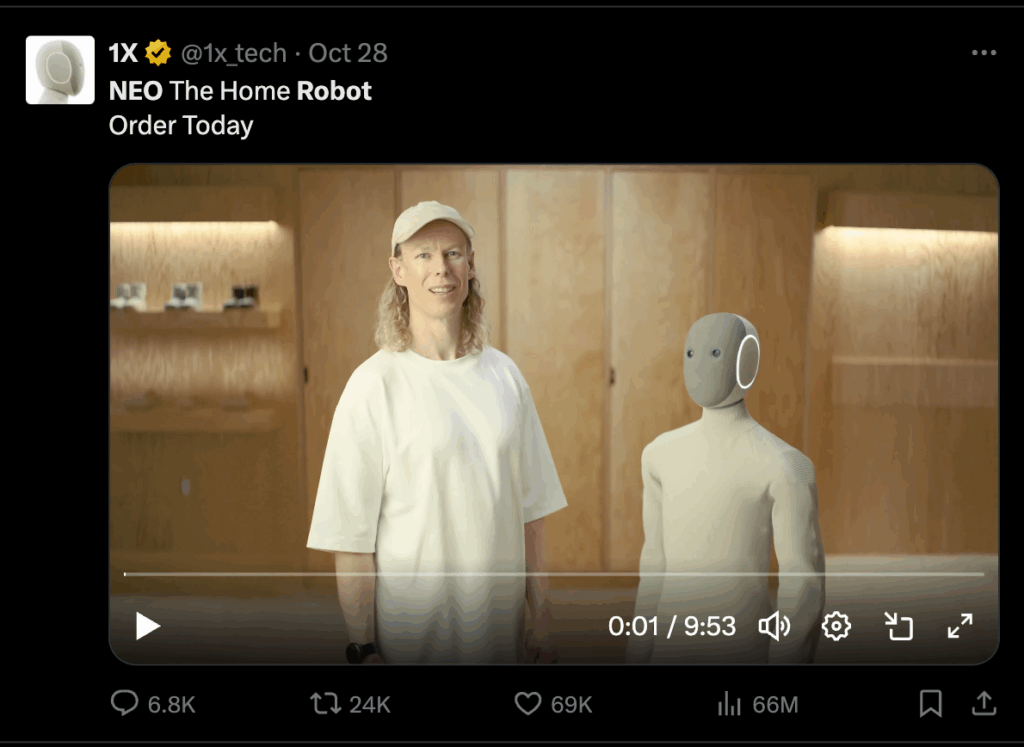
That doesn’t make X a bad channel. Maybe just one that’s less optimized compared to TikTok or Instagram. But if you’re selling something like a $500/month robot for tech enthusiasts, it’s probably your best shot.
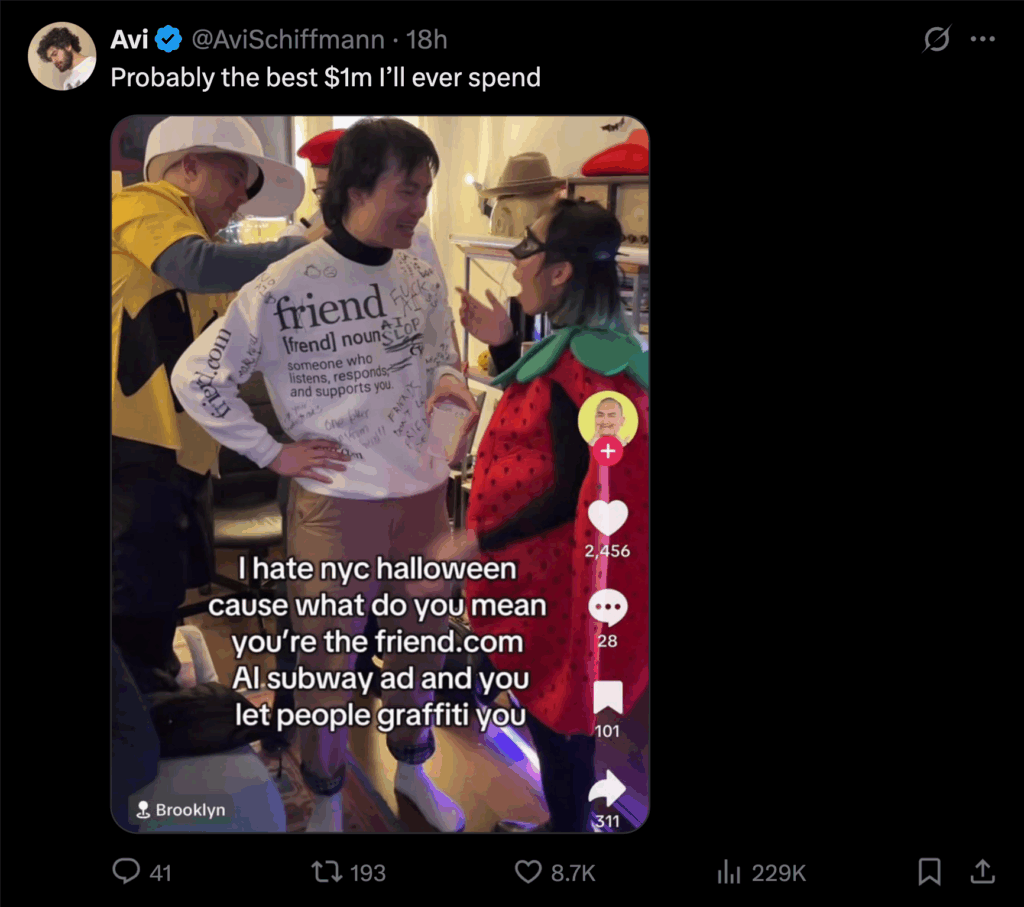
If you’re a viral marketing pro and your $1M NYC campaign still gets millions of impressions weeks later because of the lore it built around itself, then you’ve clearly done something right and those X impressions alone will probably pay it all back.
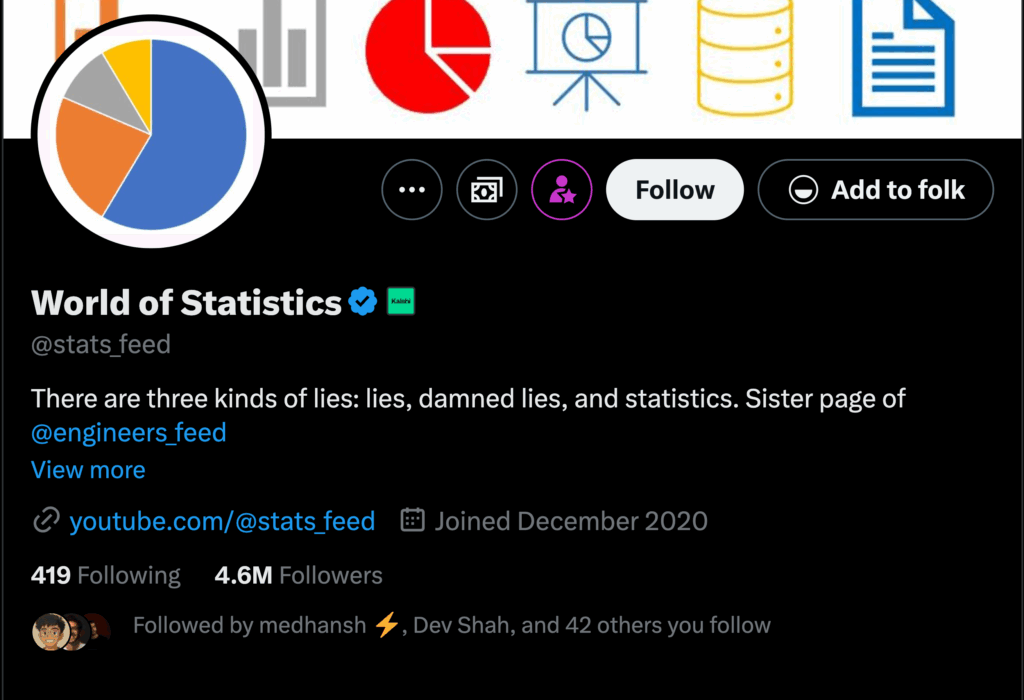
And if you’re a mass consumer gambling app like Kalshi or Polymarket, whose core betting users already live on X, you can try to pull off the same mass sponsorship or account-buyout play they’re running. They’re now known for buying large, relevant accounts with strong follower and view numbers, turning them into permanent media assets.
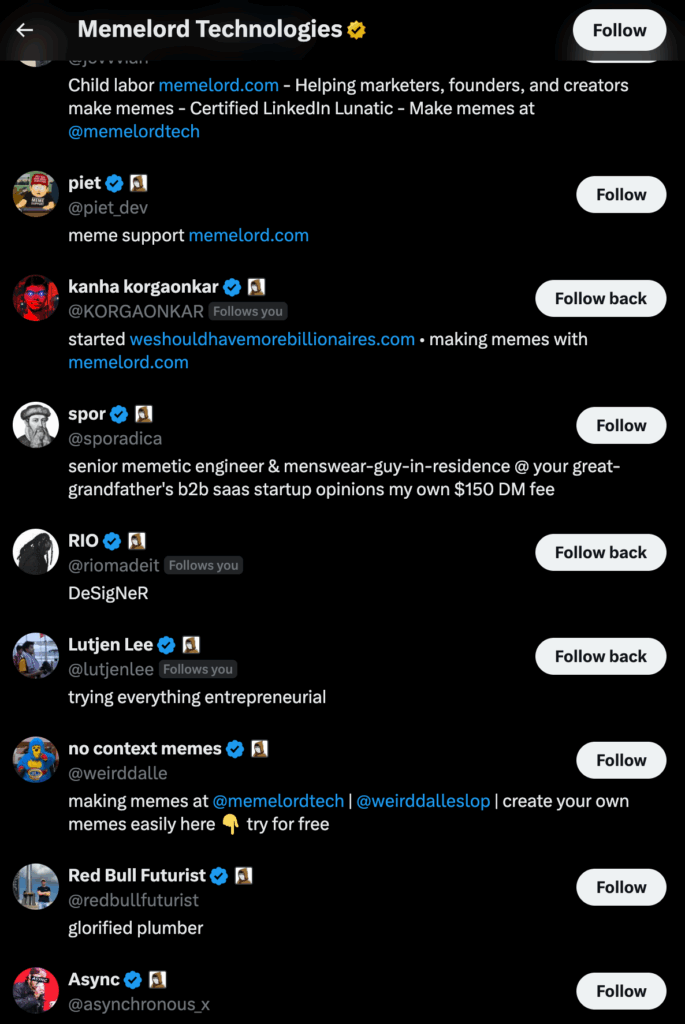
Jason’s “Memelord” tech brand takes a similar approach: sponsoring meme accounts at scale, though arguably his target leans more toward prosumer and B2B.
Most consumer brands won’t go viral the way Avi Schiffman did.
The smarter long-term play is to build your own media pages and content that stay relevant and keep drawing millions of views, instead of chasing one-off viral posts from your page or other random creators.
Leave a Reply