Faceless relationship slideshows are not new in TikTok marketing, but they are far from outdated. More and more apps are turning to this scalable strategy to stand out.
But is it actually working?
Recently, we noticed two apps using this approach with a similar format. It starts with an emotional hook on the first slide, followed by relatable slides that build the story, and ends with the app presented as the solution.
The format is the same, but their conversion strategies take different approaches.
Let’s get into it.
—
Vent Now is an emotional support app built to help users understand their feelings, spot emotional patterns, and get personalized support.
PrimeSelf is a relationship psychology app focused on confidence, attraction, attachment, and behavior in dating.
Both apps are scaling through networks of faceless TikTok slideshow accounts focused on breakups, attachment styles, exes, and relationship advice.
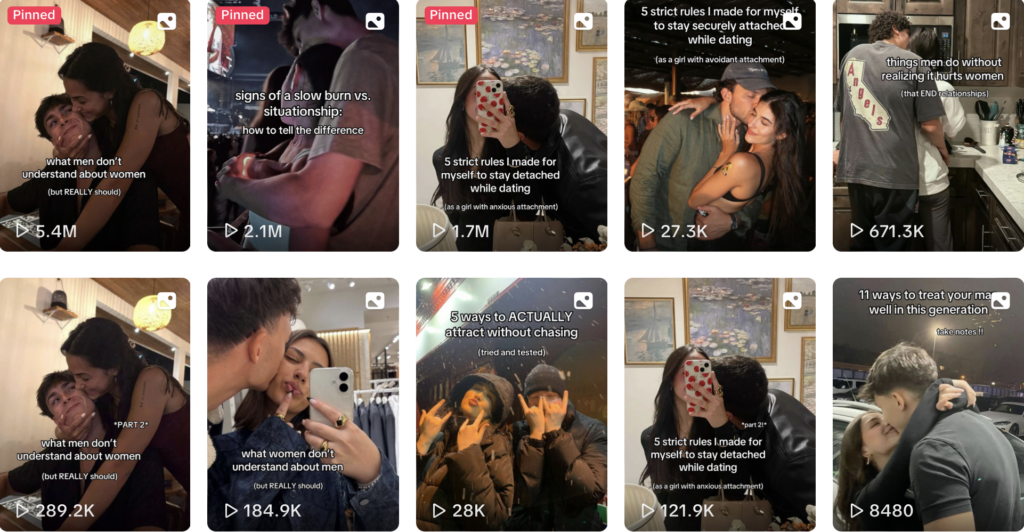
VentNow
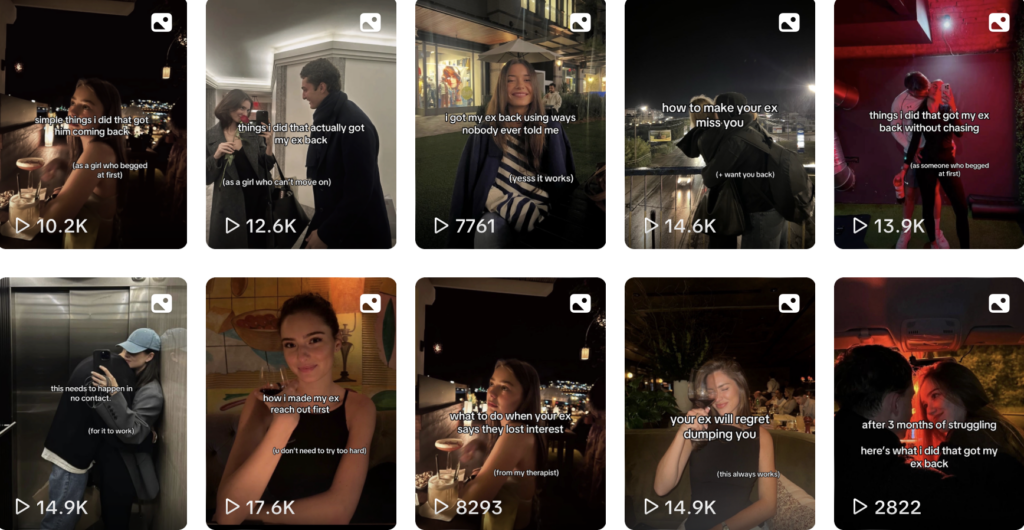
PrimeSelf
Vent Now always keeps the product mention very soft. The app name only appears on the last slide inside a long on-screen hook. It’s not as visible in the usernames, captions, or bio.
If you look closer at the comments, almost none of them mention the app. People engage with the relationship scenario, not the product. This suggests a conversion gap.
The content captures attention, but the brand gets lost.
Still, their creator network is driving massive view volume with this format, and there are no signs of it slowing down. They have already reached 118M lifetime views centered on relationship advice and healing content.
One of their top performing accounts, @selfbysarah, has delivered multiple hits, with the biggest one posted six days ago reaching 5.1M views.
PrimeSelf follows the same format, but makes the brand visible right from the start with usernames like {name}.prime. Even though the content is faceless relationship advice slideshows, the brand is already in front of the viewer before they begin swiping.
They are moving at a smaller pace, now with 17.5M lifetime views.
The difference becomes clearer when you look at both apps as part of a larger pattern. We have seen this format before with the French couple game app Cray Cray.
Back in 2024, they crossed 150M views on the back of this format alone, scaling through a large network of accounts and showed just how far faceless slideshows can go. They reused visual templates, repeated winning hook styles, and saved the product reveal for the final slide.
But they addressed one of the biggest flaws of this format: brand capture. The final slide clearly directed users to the app, and every account included a bio CTA encouraging people to search for Cray Cray in the App Store.

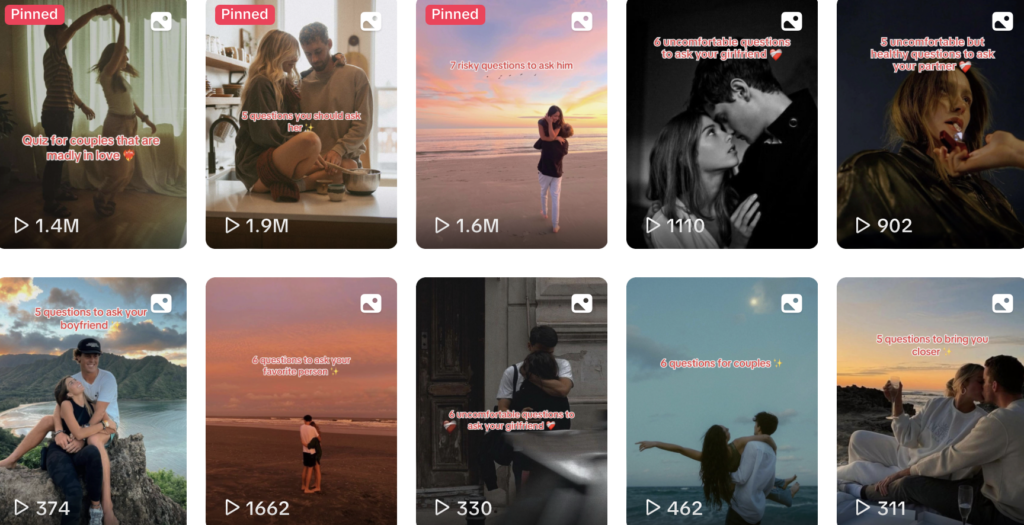
Over time, Cray Cray shifted toward more traditional UGC, bringing in new creators to expand their network.
High reach faceless formats can drive conversions, but it is not simple. There is always a trade off between maximizing views and making the product visible.
In the end, success comes down to mastering CTAs just as much as testing and refining your hooks.
Leave a Reply