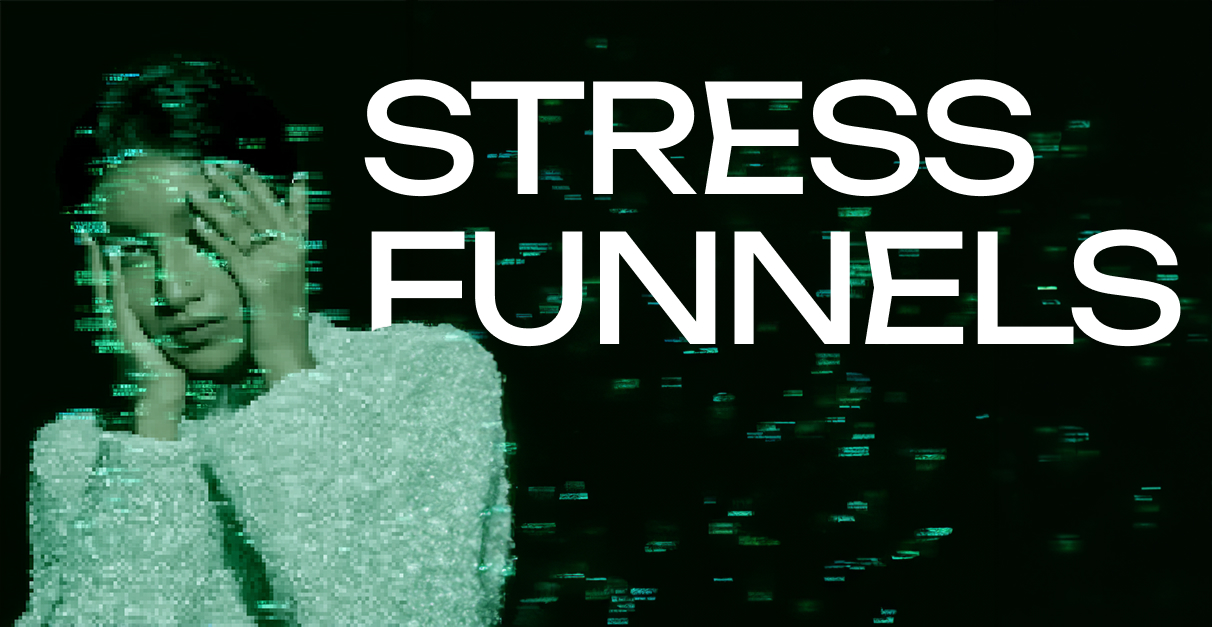
On TikTok, apps and tools are hardly being pushed head‑on anymore. Lately, we’ve been seeing more and more brands build small, emotional narratives that call for an urgent fix. That opportunity becomes their sales window.
In moments of great tension, FOMO and stress, people don’t think. They are less likely to compare your product to other options, question the price, or go read every single review.
That is why selling on TikTok and Reels today often starts with creating a situation where the consumer feels your product is the only escape.
Below are four types of situations you can recreate to trigger this dramatic effect. What works will differ by use case, so it is up to you to find the sweet spot for your brand. Either way, the underlying mechanisms still apply.
1. The Advantage Glitch
Hook: “bro why is europe so affordable??”
Views: 3.6M
A €17 flight is enough to stop anyone scrolling. It’s not just because it’s cheap, but it goes beyond that. It feels like a mistake anyone should be taking advantage of.
That “this can’t be right” moment is what drives retention. The app does not need much explanation or any pricing defense.
When the deal can sell out, it works even better. There is a rush attached to it. Users move fast to grab it before others do, and that urgency is what makes this hack work.
2. Community Callout
Hook: “book girlies what book tracking app are we using in 2026 because goodreads is not it for me anymore”
Views: 1.5M
Instead of presenting it as a personal problem, the creator talks as if everyone is looking for a new app together.
This turns a basic complaint into a shared decision. It creates the illusion that the whole community is already moving on, and anyone still using the old app is being left behind.
That feeling alone can be more powerful than any free plan or standout feature, especially for apps that depend on scale to stay relevant, like this one.
3. Systemic Injustice
Hook: “Day was going fine until I got the email saying I didn’t get the KFC job… with a 3.8 GPA and a masters degree… This market is unreal”
Views: 9.7M
The story centers on a mismatch: strong qualifications and a basic job rejection. That contrast hooks viewers because it feels unfair in a way everyone recognizes and relates to.
That shared frustration pulls people together to look for a fix.
In the comments, someone suggests a site that applies to hundreds of jobs automatically, and the creator pins it. The comment racks up thousands of likes and becomes the call to action. The video captures attention, and the pinned comment converts it.
4. Corporate Drama
Hook: “HR said ‘use your sick days when you need them.’ I called out sick with the flu on Friday. my manager replied ‘convenient day to be sick’ and cc’d leadership. I felt embarrassed. I read the employee handbook in the Playbacks app. It says ‘no proof required for one day.’ They treat us like we’re lying children”
Views: 1.6M
Longer stories like this tend to boost watch time because people want to stay until the gossip plays out. Short horror stories about abusive bosses, in particular, have become so relatable that they work perfectly as entry points for apps to introduce their product.
The app shows up close to the end, with no heavy push. It is mentioned casually as something she used during her struggle, and it quietly becomes the “hero” of the plot.
The story gives just enough context to attract the right audience, while staying vague enough to spark curiosity about the app that was named.
It may look different on the surface, but all of these examples follow the same core principle.
A strong feeling is triggered at the start.
The problem is shown quickly.
The product enters quietly when it fits and blends with the story.
The comments push viewers into users.
You use drama as the engine, and your product as the relief.
Leave a Reply