If you’ve been following us for a while, you know we publish hundreds of posts every week. So we always keep up with what’s working in TikTok and Reels marketing.
Lately, we’ve found a few new hacks that are already showing strong results.
We’re talking views, engagement bait, comment conversions…and a lot more.
Let’s break them down.
1. TikTok Display Name as CTA
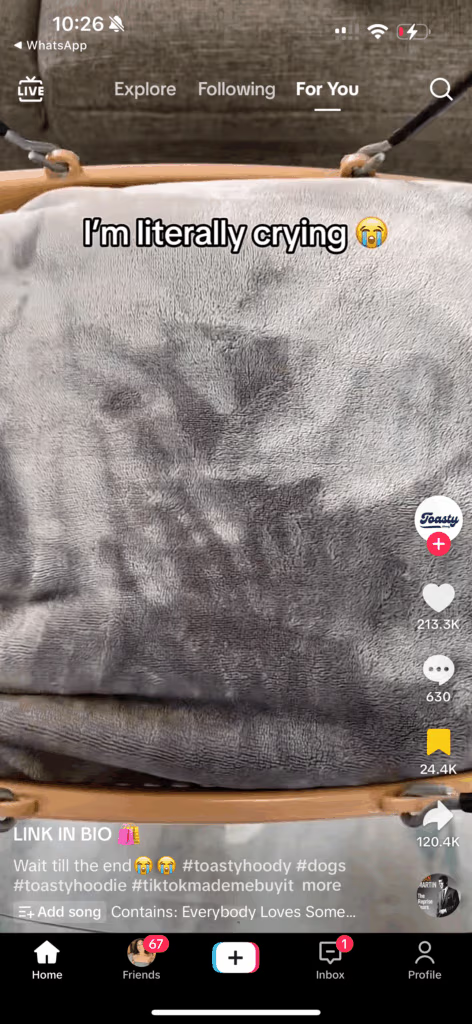
Straight from the e commerce brands playbook, this hack has been growing silently on TikTok lately.
Basically, they change their display name, not their username, to “link in bio.”
When you are scrolling on mobile, it appears in the bottom left corner, similar to an ad call to action but without spending money on it. You can even add an emoji for extra impact.
2. Exhaust Your Views
Too often, apps hit 10 million views with one random video and then switch to a totally different content strategy.
In 2026, we are done with that. If something spikes, double down. Repeat it, all of it.
Most formats can easily become a series. Just add “day X of…” and keep going until the views dry up.
If it cannot be a series, that is fine. Stick to the same format and the same hook. The odds of going viral again are strong enough to test it.
3. Founders, Buy a Camera
Another trend we are seeing more often is founder led content.
That does not mean you need to stop working with creators or spend your whole day chasing perfect lighting.
Think of it as your personal lab. Before you scale a format and hand it off to creators, test it yourself. Doing it for a while is cheaper, but more importantly, it helps you understand what really works so you can guide your creators with much more clarity.
4. Stage a Fake Notification
This hack works in almost any niche, especially when paired with a faceless screenshot format.
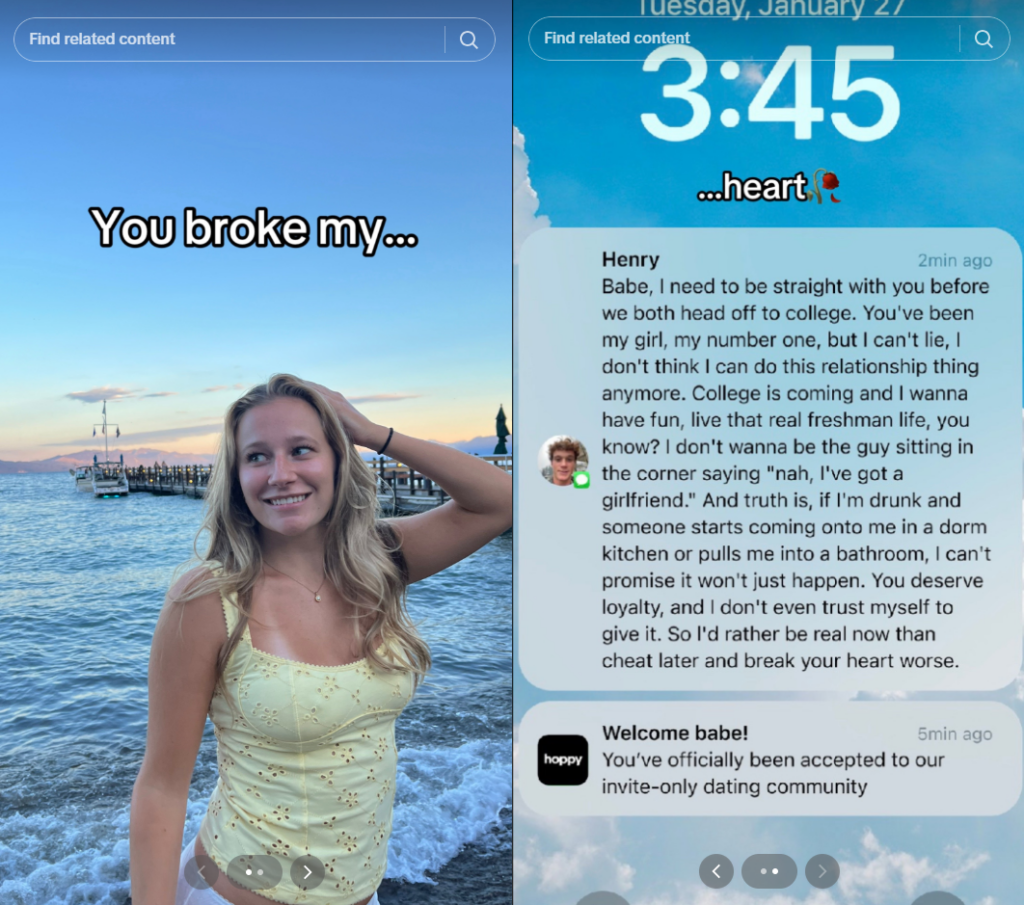
You tell a story through text messages and notifications, then subtly slide your app’s notification onto the screen without calling attention to it.
The more unusual or controversial the topic, the better. Big money transfers, messy gossip, exposed Tinder profiles, extreme weight loss wins. You know the drill.
Read exactly how to do it here.
6. Localize Your Accounts
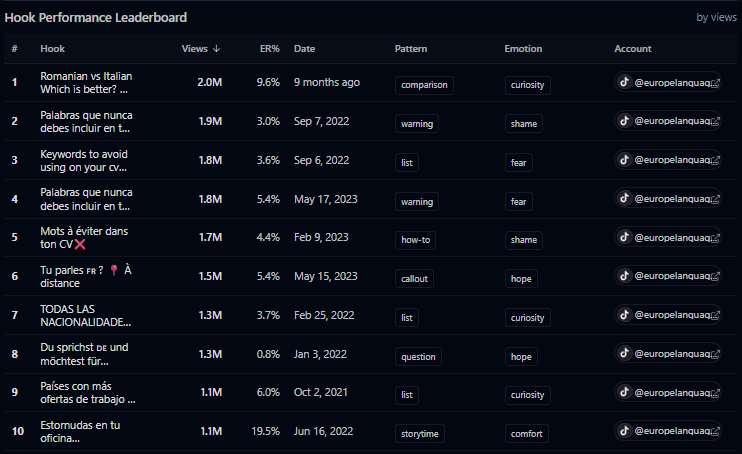
There is nothing stopping you from translating your content into other languages and posting it again. Even if your main target is the US, you could be leaving foreign demand on the table.
If you are based outside the US, launch a second account for your home country. If you want to expand, reuse your content, translate it, and publish it.
For many apps right now, some of the top performing creators create content in Spanish, French, or Portuguese.
You can go deeper into this strategy here.
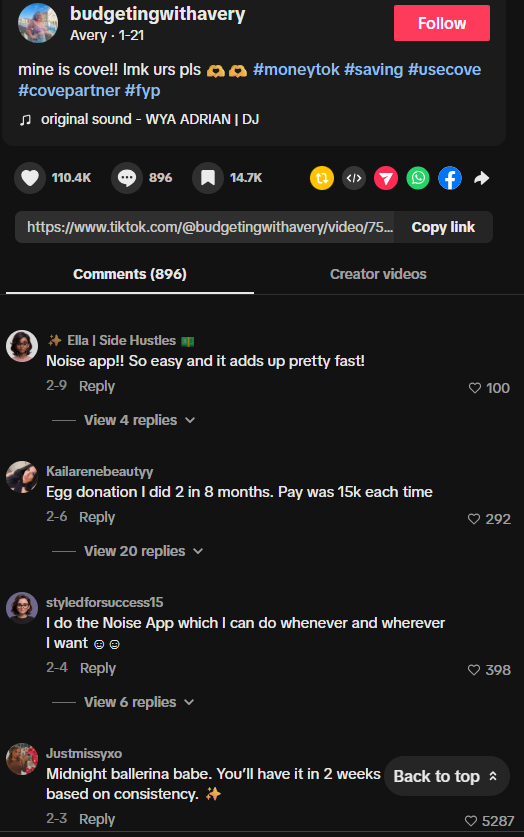
7. Highjack Comment Sections
You might have noticed that most apps no longer mention their name directly in the content. Instead, they spark the comments with staged questions and replies, those being the real call-to-action.
Recently, though, something new has been happening.
Competitors are jumping into the comment sections and hijacking them. What used to be space for the creator’s CTA is now free promotion for other apps.
We have seen this a lot on BookTok, where open ended question hooks give competitors the perfect chance to slide in and promote their own agenda.
8. Hack Your Customer’s Mind
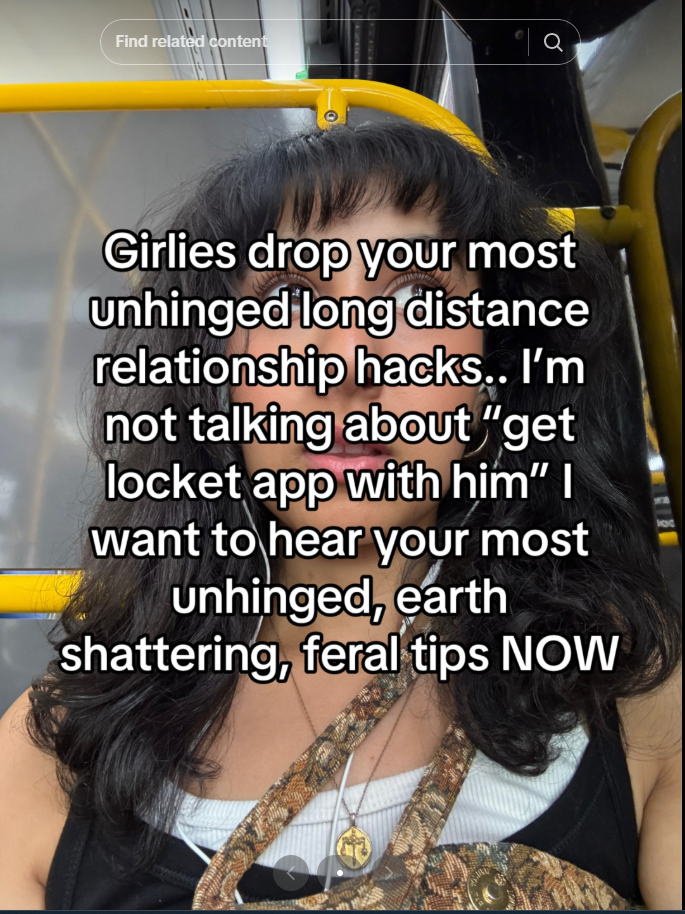
There is a lot to unpack when it comes to comment sections and open ended hooks. Many apps are now using them to learn exactly what customers want and what frustrates them about competing products.
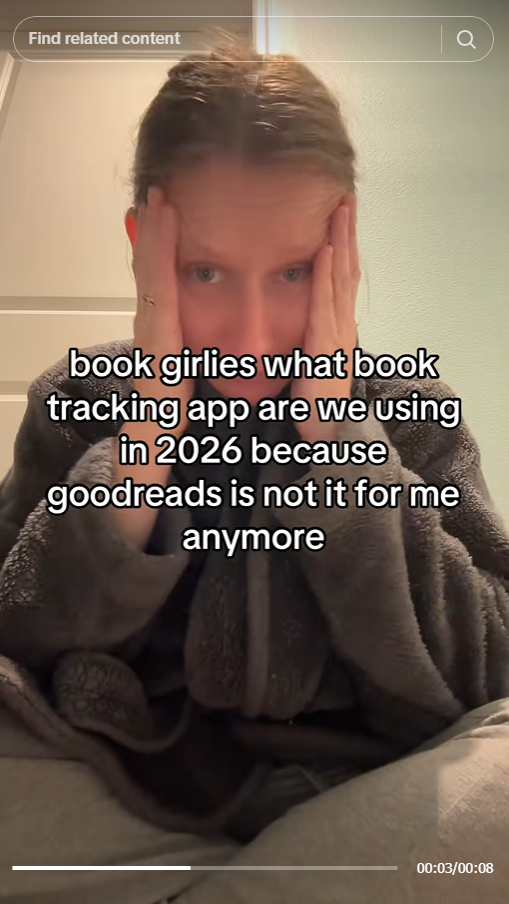
Imagine you are building a new book tracker app, like so many founders are right now.
If you post something like, “Book lover to book lover, what finally made you switch from [big competitor] to a new app? For me, it was…”, you will likely unlock a wave of detailed feedback. That kind of insight can completely change how you build and position your product.
9. Anchor Your App to the Market Leader
When in doubt, use the name everyone knows.
For vibe coding, that is ChatGPT.
For visual inspiration, that is Pinterest.
For language learning, that is Duolingo.
And so on.
Dropping a well known name gives your hook instant context and makes it easier to grab attention. And it does not have to feel aggressive. You can frame it softly, like, “I used to use … all the time, but lately I have been wanting something better for …” and let the real call to action unfold in the comments.
10. Leak a discount code
Finally, do not underestimate the classic discount code trick.
It can work for almost any app or product. The key is to avoid sounding promotional. Instead, frame it like, “I probably should not be sharing this, but…”
When it feels like insider information or a hidden opportunity, people are much more likely to act on it.
Leave a Reply